
Status and Distribution
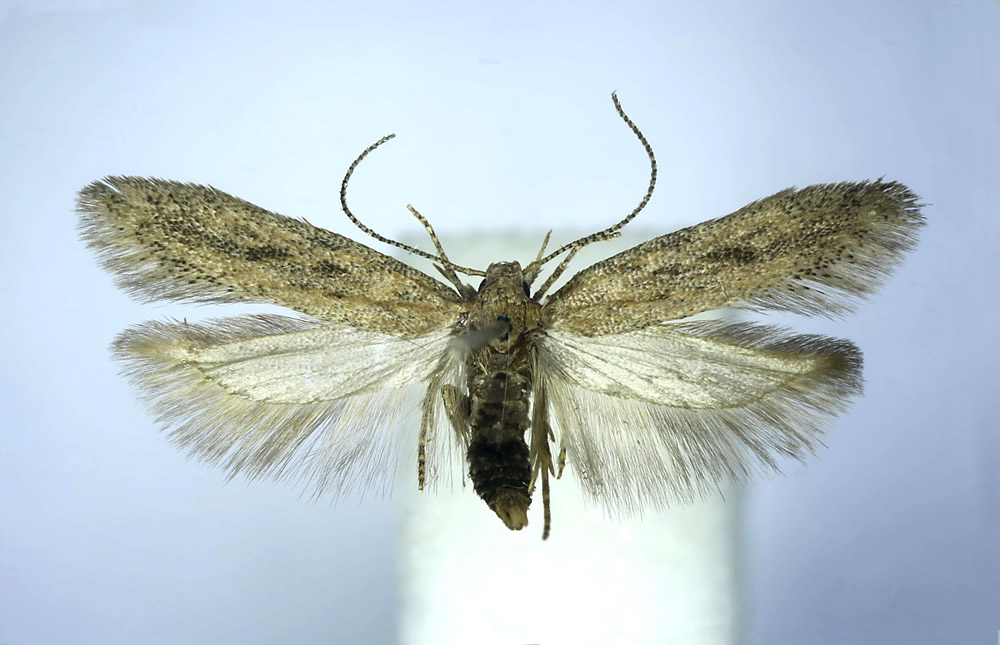
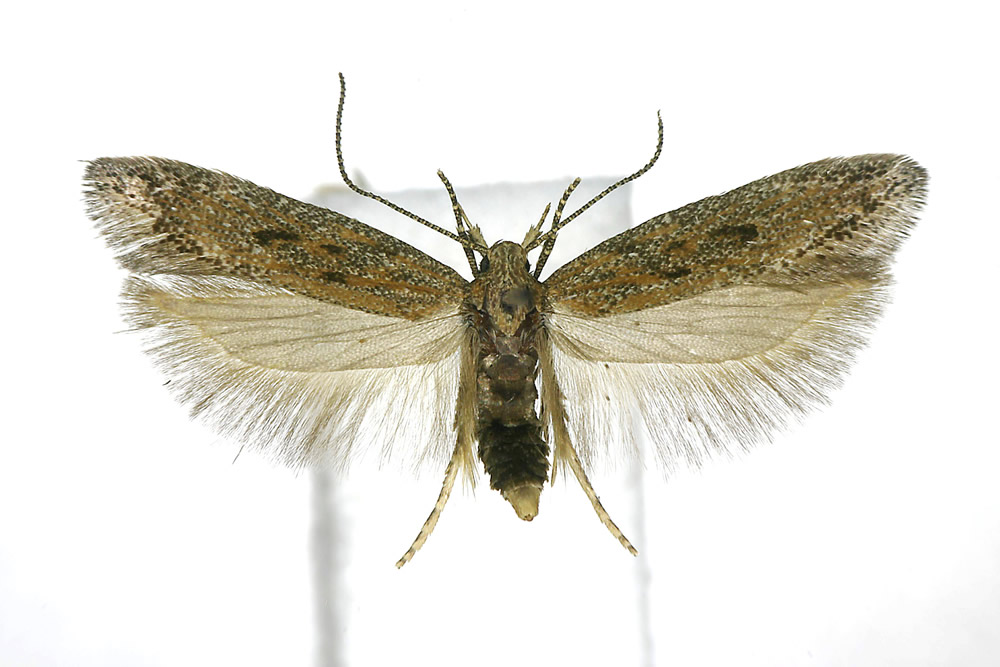
Scrobipalpa pauperella renamed S. freyii in Beavan & Heckford, 2024 (see paper under S. freyii in Publications - Published Papers).
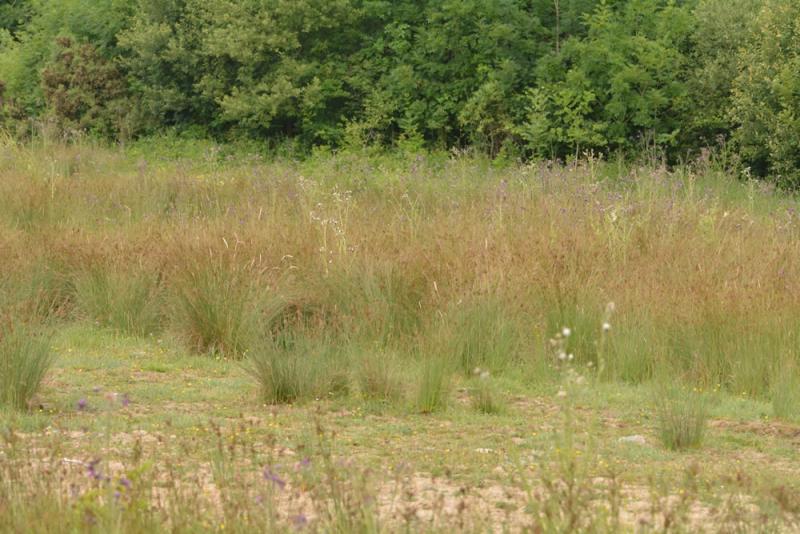
Rare. Recorded at a few well scattered chalk and limestone sites in England.
First discovered in Britain in 1858 in the Middlesborough area. Not reported again until 1972 and 1973 at Chippenham Fen NNR, Cambridgeshire, but not subsequently found at this site. Attracted to light in mid-West Yorkshire (VC64) from 2011 onwards. The number of moths found over subsequent years proved the moth to be resident at this site, but several searches for larvae have drawn a blank.
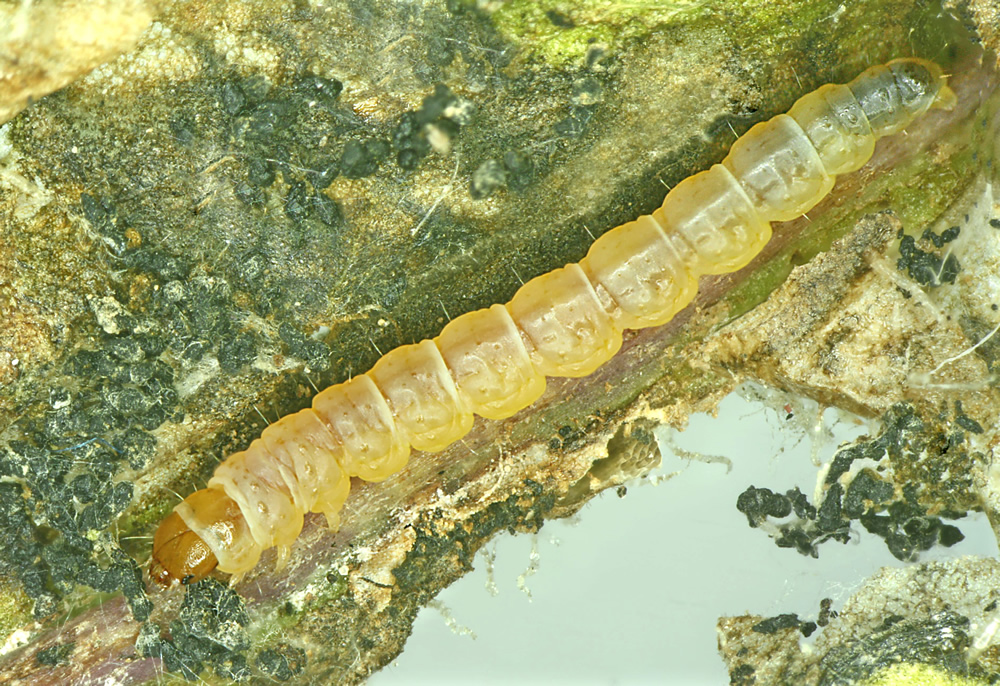
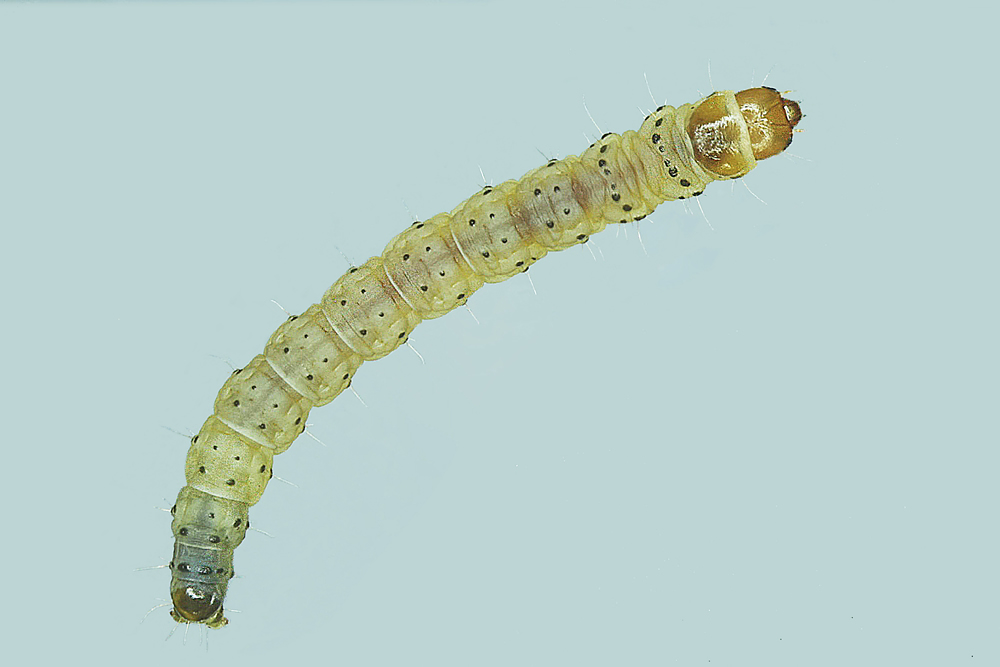
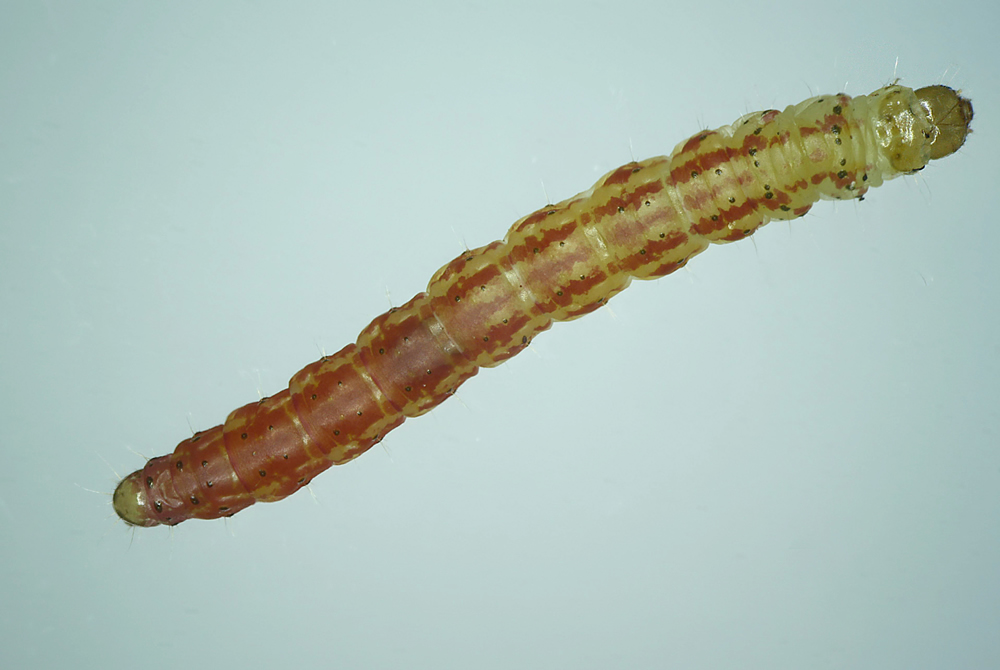
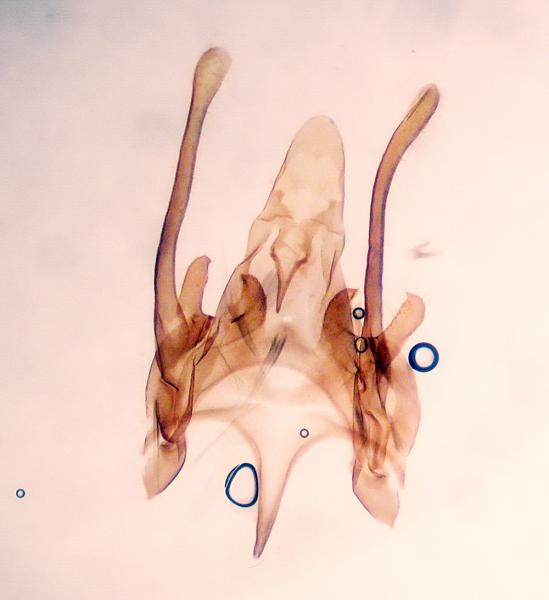
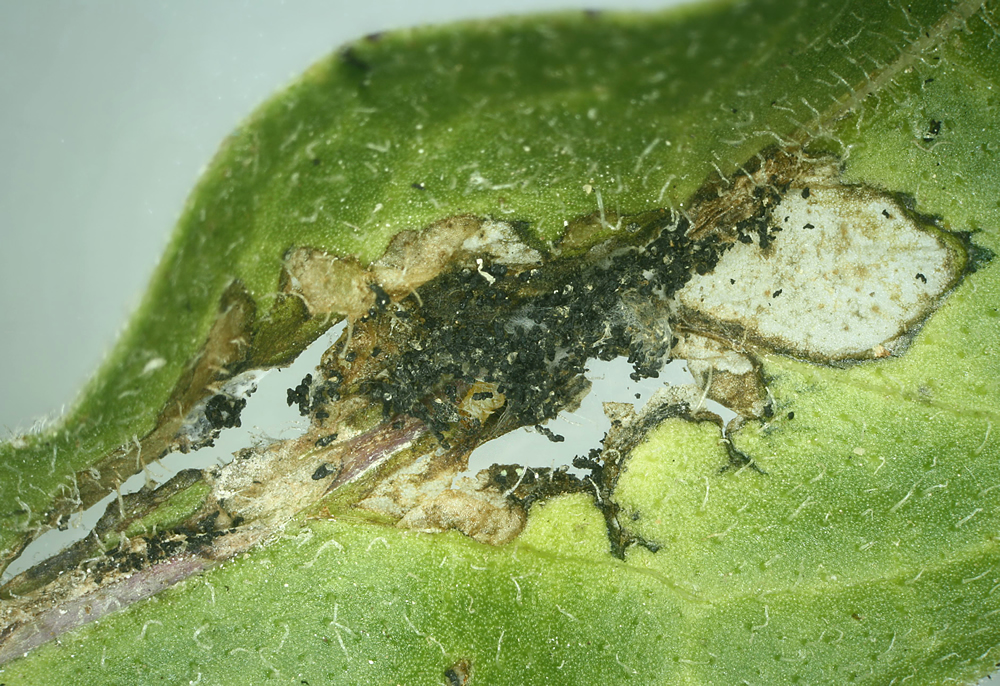
In July 2018 a photograph seen on the Dissection Group website of the male genitalia of Scrobipalpa obsoletella from Ashridge Estate, Bucks (VC24) on 18th June 2013 was found to refer to S. pauperella. This location was revisited (in 2023) where larvae were found and bred on Centaurea nigra and C. debeauxii.
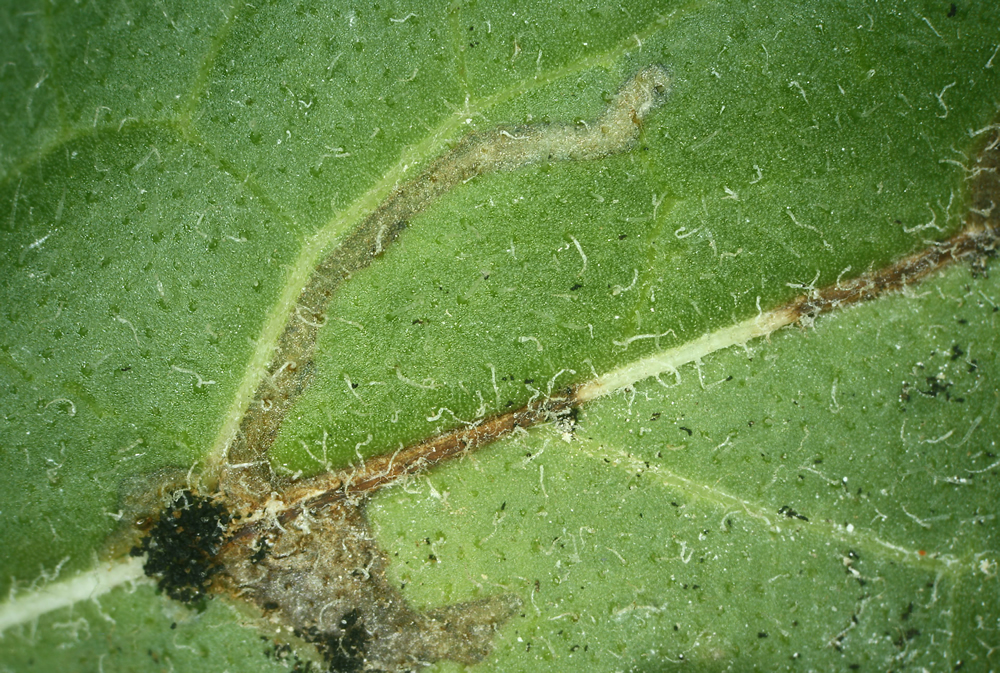
On 24 August 2022, a considerable number of tenanted mines were found on Centaurea scabiosa (greater knapweed) leaves in Dover, Kent, with subsequent breeding confirming them to be S. freyii.
A specimen (confirmed by dissection) was found at the Yorkshire site on the 10th August 2025, possibly indicative of a small second brood.
Also in 2025, larvae were found in two separate areas of County Durham utilising both C. nigra and C. scabiosa.
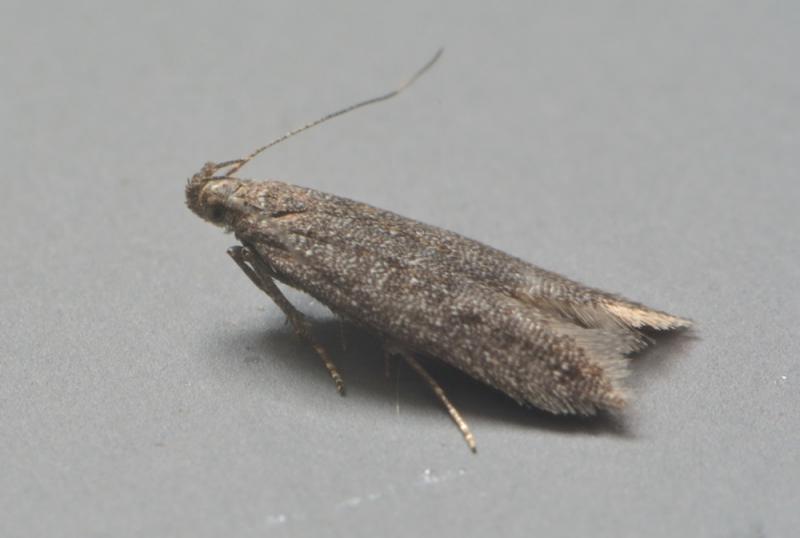
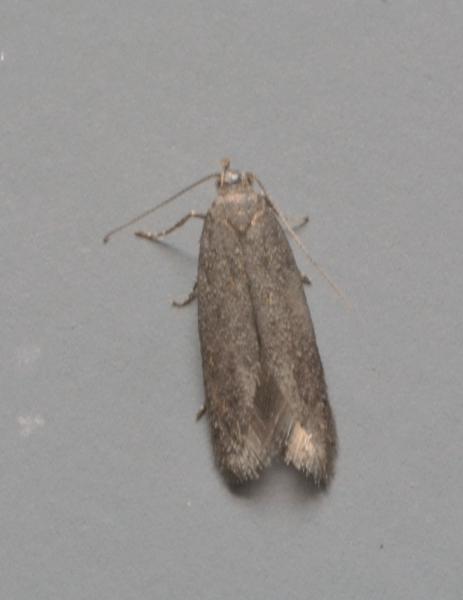
There is similarity between the variable forewing markings of both S. acuminatella and S. freyii. It would therefore be worth closer examination of light trapped or netted specimens of S. acuminatella found in chalky areas.
.jpg "Scrobipalpa freyii")
.jpg)
%20(2).jpg)
.jpg)
%20%202.jpg)
(10).jpg)
%20(10).jpg)
%20(5).jpg)
%20(5).jpg)
%20%20(6).jpg)
%20(2).jpg)