Status and Distribution
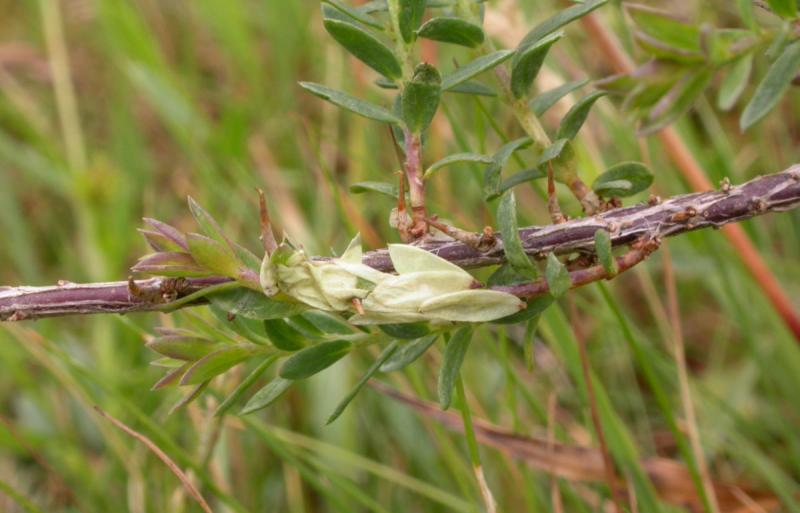
Formerly known or suspected from several sites across England mainly in the south and east, also Yorkshire and Durham. All but one of these are thought to have been lost by the mid-1970s due to habitat change/destruction which resulted in the loss of the foodplant. It may have become extinct (Parsons, 2020), and recent searches have failed to locate the species at its single remaining site in the British Isles.
Searches for larva have taken place at former sites as follows:
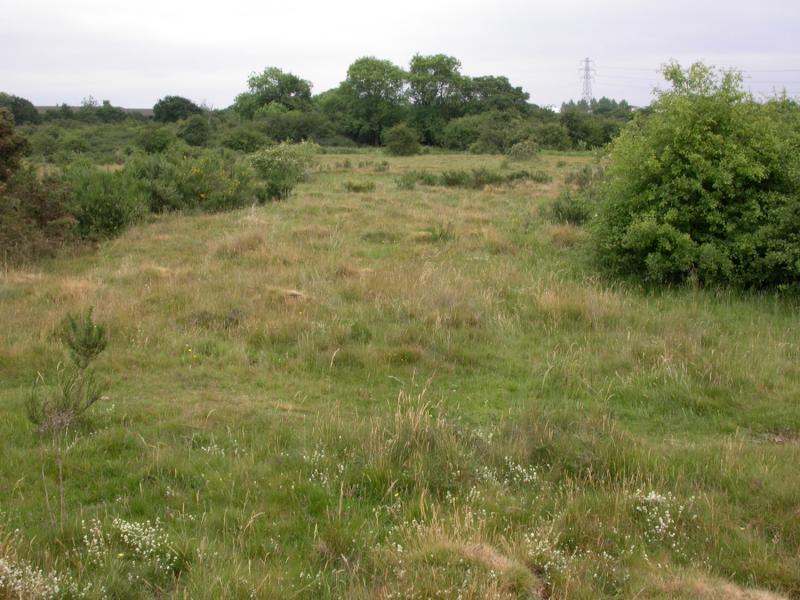
Ditchling Common (VC14) - last recorded in 1969. A search on 26th May 1990 (R J Heckford & J R Langmaid) produced a few plants of Genista anglica but no larva.
Hook Common (VC12) - last recorded in 1965. A search on 14th June 1991 (R J Heckford) produced six plants of Genista anglica but no larva.
Silchester Common (VC12) - last recorded in 1973. A search on 26th May 1991 (B R Baker, R J Heckford*, J R Langmaid and others) produced a few plants of Genista anglica at two places but no larva. * Also searched on 14th June 1991.
Hertfordshire (VC20) - site last checked in 2023 with no sign of the moth or its larva.
Documented reports from Pakefield, East Suffolk, Formby, Lancashire and Bilton in Warwickshire are unconfirmed.