_0.jpg)
%201_0.jpg)
%20B_0.jpg)
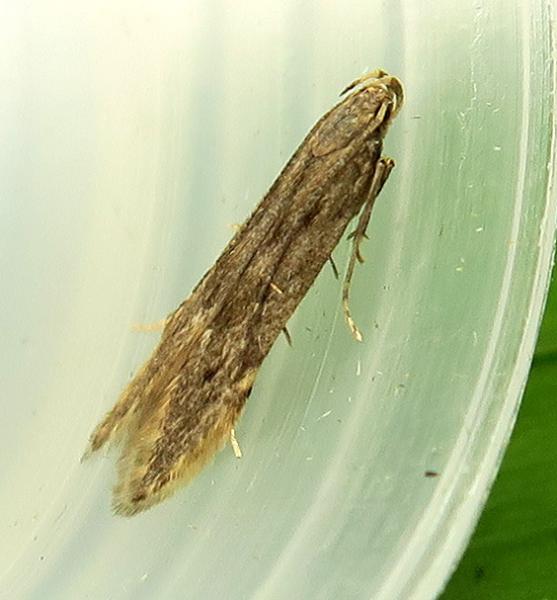
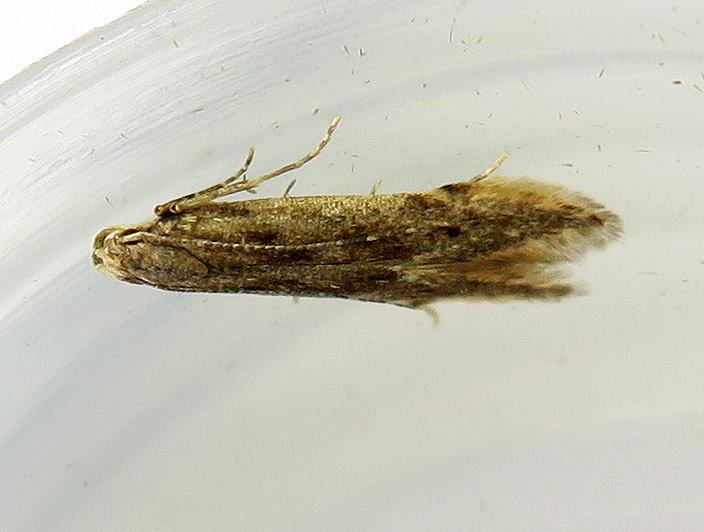
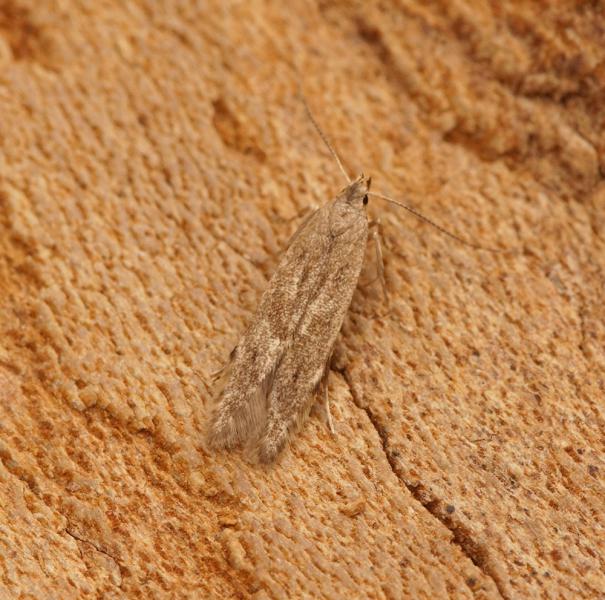
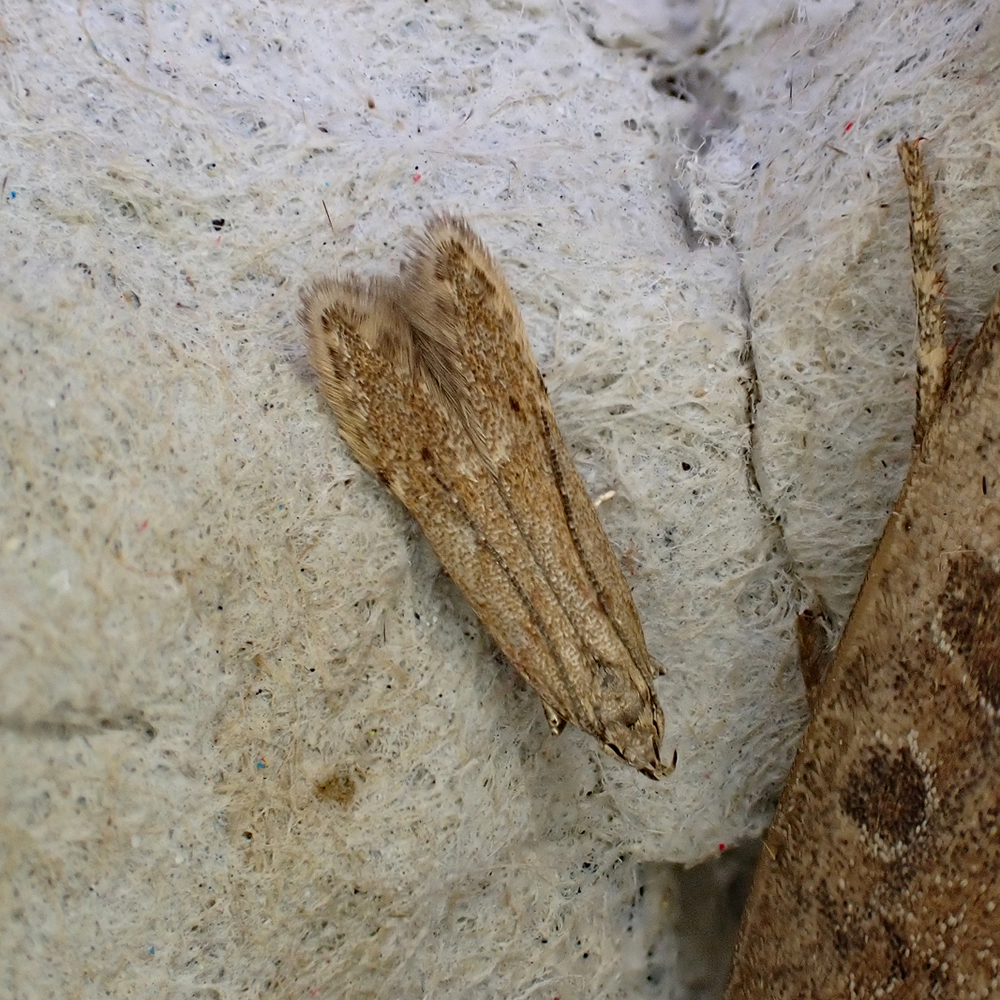
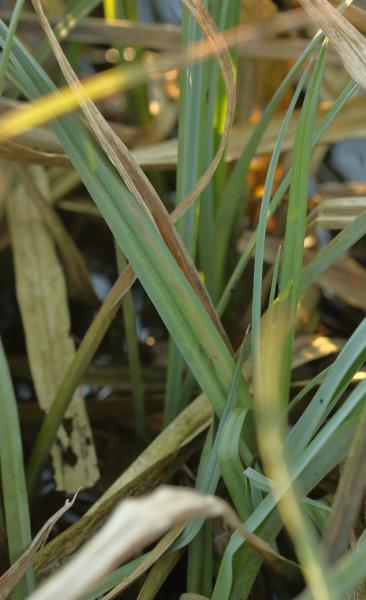
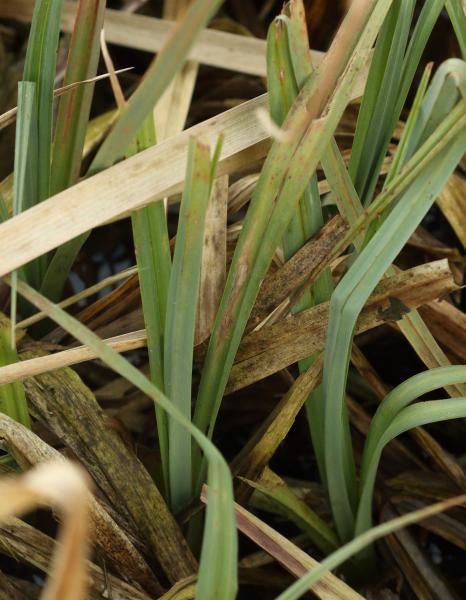
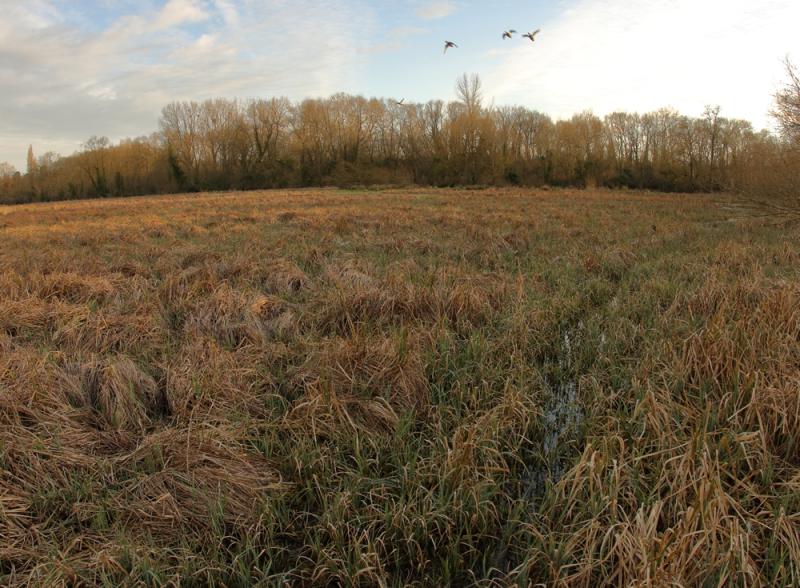
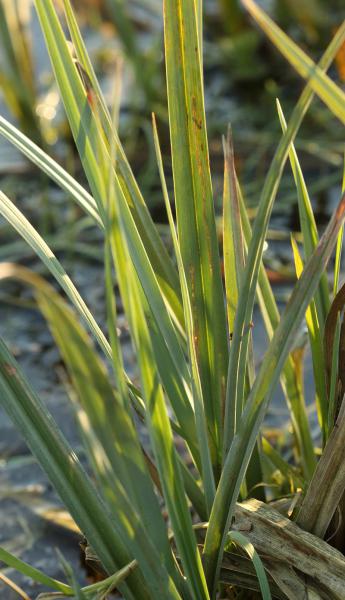
Carex riparia (greater pond-sedge), see plant distribution map, and to a lesser extent Carex acutiformis (lesser pond-sedge).
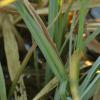
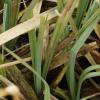
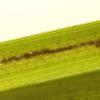
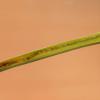
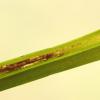
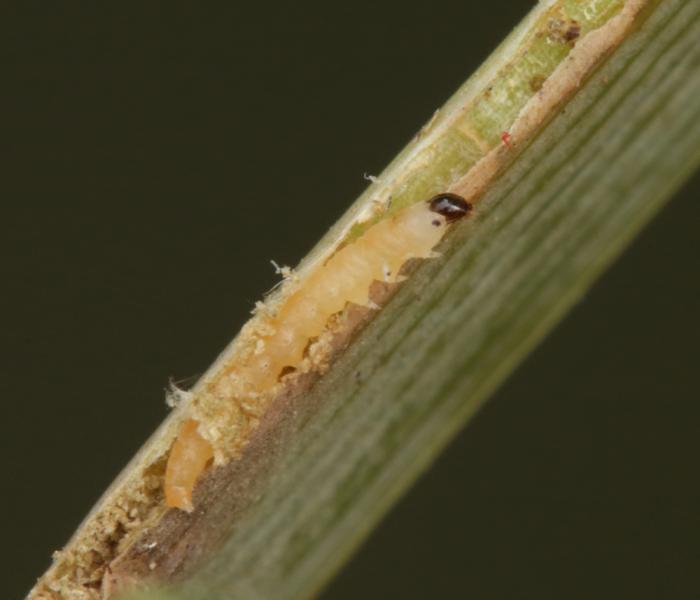
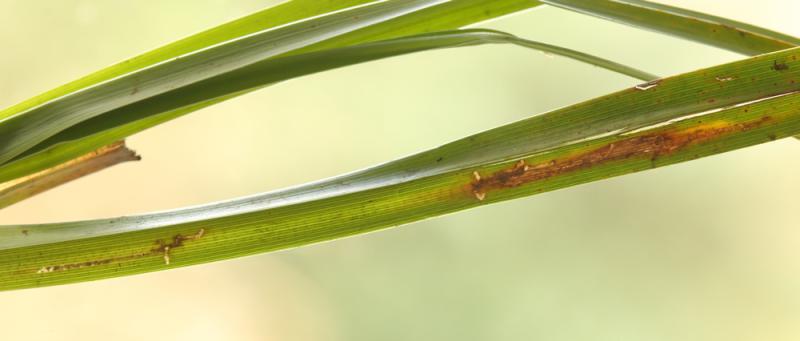
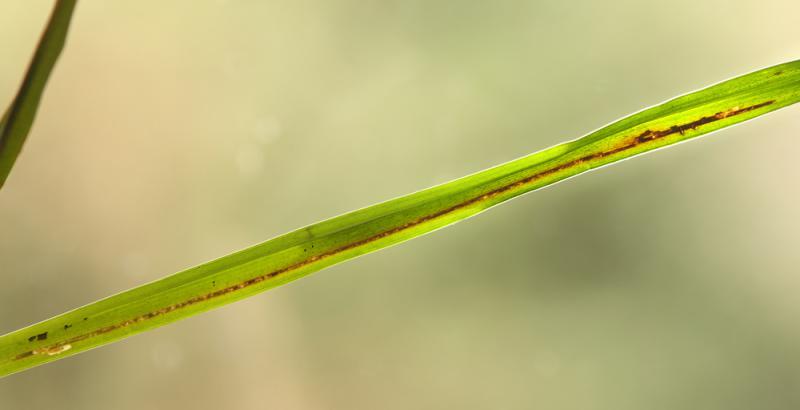
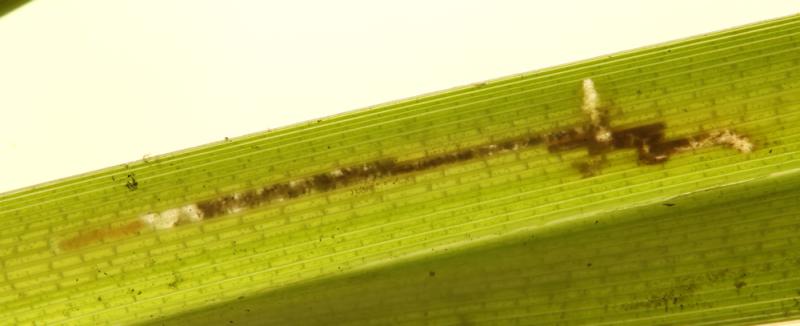
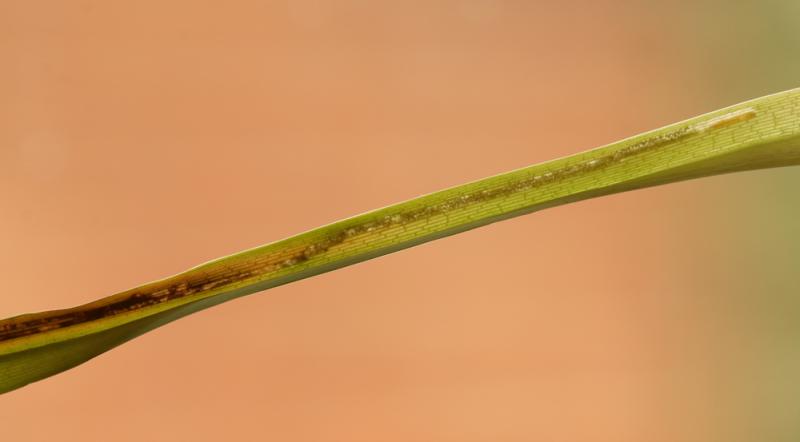
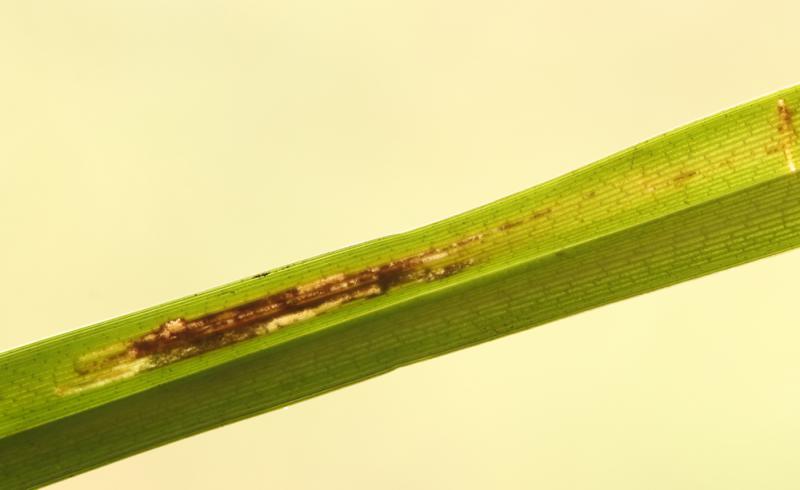
Mines the leaves in a long slender whitish or pale brown gallery both upwards and downwards and will change leaves.
Will Langdon has very kindly provided some additional notes associated with his work on the species during 2022:
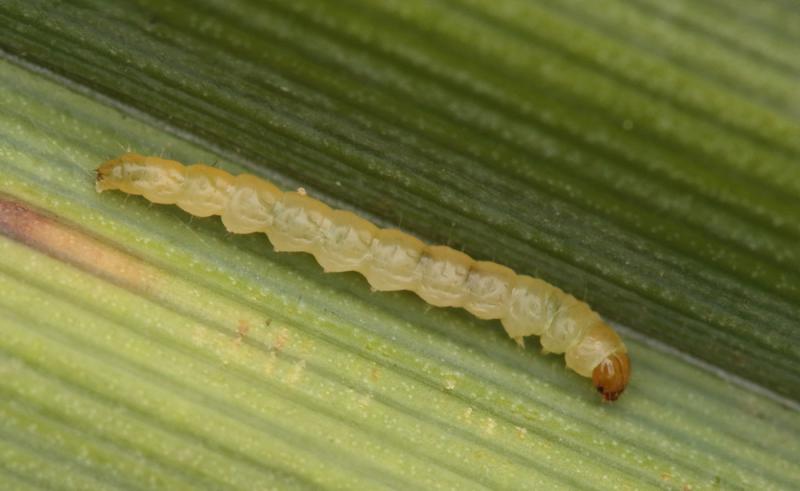
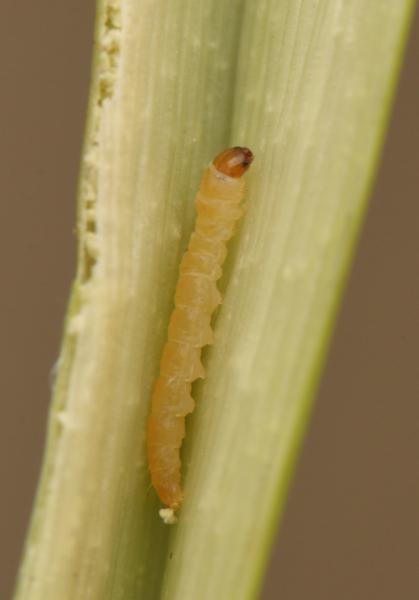
Found throughout March at two sites. They were pretty easy to find and I think I managed 15 or so in an hour a couple of times. The overwintering mine (formed in the Autumn) seems to look like a little brown smudge, normally halfway up the leaf. (when seen) in spring. These mostly conformed to Phil Sterling's description in Langmaid, Palmer and Young, 2018 - Field Guide to the Smaller Moths of Great Britain and Ireland, of being small, brownish and with lots of diverticula. The larvae that I found then mostly extended this downwards to the base of the leaf in a much straighter mine in early April. Sometimes the mines are very long but faint, appearing as a faint brown line running down the upper edge of the leaf. Backlighting reveals the frass in the mine and shows them much more clearly.
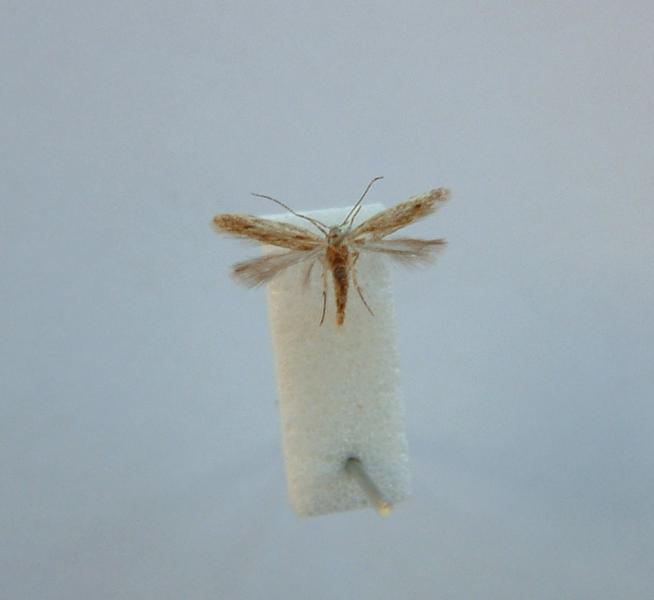
I wasn't able to rear any of the above to see what they did next though as the plants died. It looked like a couple of larvae left their overwintering mine and started a new one lower down the leaf. The larval appearance varied a bit; I opened up four mines to look at them, and only one had the black spots on thoracic segment one mentioned in Emmet & Langmaid, 2002 (The Moths and Butterflies of Great Britain and Ireland Vol 4 (2)). I guess this could be an instar-related feature, as seems to be the case in M. suffusella (which isn't mentioned as having the spots) - see comment under M. suffusella on this website. W. Langdon pers. comm. July 2022.

%20A.jpg)
%20B.jpg)
%202.jpg)
.jpg)
.jpg)
%201.jpg)
%20B.jpg)
.jpg)